
If you’re living with a chronic condition — type 2 diabetes, cardiovascular disease, osteoporosis, arthritis, or chronic pain — you’ve almost certainly been told that exercise is important. But knowing that exercise is good for you and knowing how to actually do it safely and effectively are two very different things.
This is exactly where clinical Exercise Physiology steps in.
Why exercise matters more than most people realise
The evidence on exercise for chronic disease is remarkable. Structured exercise training can:
- Reduce HbA1c (blood sugar control) in type 2 diabetes as effectively as some medications
- Lower blood pressure in hypertensive patients
- Improve bone density and reduce fracture risk in osteoporosis
- Reduce pain and improve function in osteoarthritis
- Reduce all-cause mortality in people with a range of cardiovascular conditions
These are not small effects. Exercise, when properly prescribed, is a legitimate medical intervention.
Why “just go for a walk” isn’t always enough
For general health maintenance, walking is wonderful. But for people managing complex or multiple chronic conditions, generic activity advice often falls short for a few reasons:
Intensity matters. For cardiovascular benefit, you need to reach the right heart rate zones. For bone density improvement, you need load-bearing and impact. For blood sugar management, a mix of aerobic and resistance exercise is most effective.
Safety matters. Clinical exercise prescription accounts for your specific contraindications and limitations.Progression matters. Your body adapts to exercise over time. Without structured, progressive overload, you plateau.
An Accredited Exercise Physiologist doesn’t just tell you to move more. They write you an evidence-based exercise prescription — and they supervise and adjust it as your condition and capacity change.
There’s a tendency in the chronic disease population to focus only on walking or gentle stretching. But strength (resistance) training deserves far more attention than it gets.
Building muscle mass:
- Improves insulin sensitivity and glucose uptake in people with type 2 diabetes
- Protects bone density and reduces fall risk in older adults
- Reduces load on joints in people with osteoarthritis
- Improves functional independence and everyday capacity — being able to get off the floor, carry groceries, climb stairs
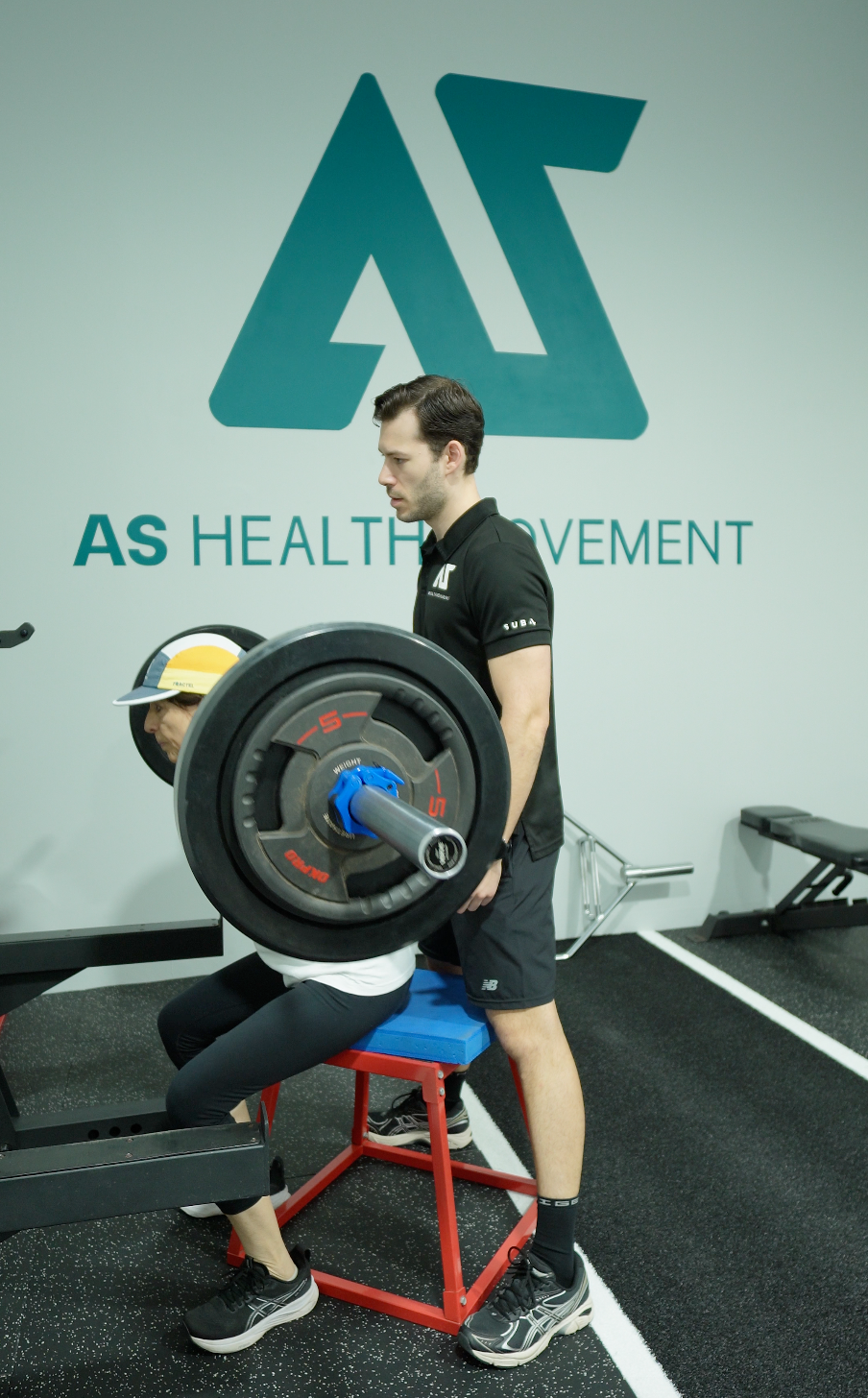
At AS Health Movement, our semi-private strength training program — The Strength Method: Move Well, Live Well — is specifically designed for adults managing pain, stiffness, or chronic conditions. Sessions are small, supervised, and tailored to where you’re at — not a generic gym class.
Ready to take exercise seriously?
If you’re in Gladesville, Ryde, or the surrounding Inner West suburbs and you’re ready to use exercise as a genuine part of your chronic disease management — not just a nice idea — we’d love to work with you.
Book a consultation with our Accredited Exercise Physiologist JC at AS Health Movement, Gladesville.

Be The First To Comment