
Back pain is one of the most common reasons Australians visit their GP — and yet it’s also one of the most commonly undertreated conditions in the country. If you’ve been dealing with persistent back pain for weeks, months, or even years, and nothing seems to stick, this post is for you.
Here are five of the most common reasons back pain lingers — and what you can actually do to break the cycle.
- You’re resting when you should be moving
This is the biggest one. The old advice of “rest and take it easy” for back pain is largely outdated. Current evidence strongly supports active rehabilitation — gentle, progressive movement that keeps the spine mobile, supports blood flow, and prevents the muscle weakness that makes pain worse over time.
Rest has its place but, returning to appropriate movement as soon as possible is almost always the better strategy.
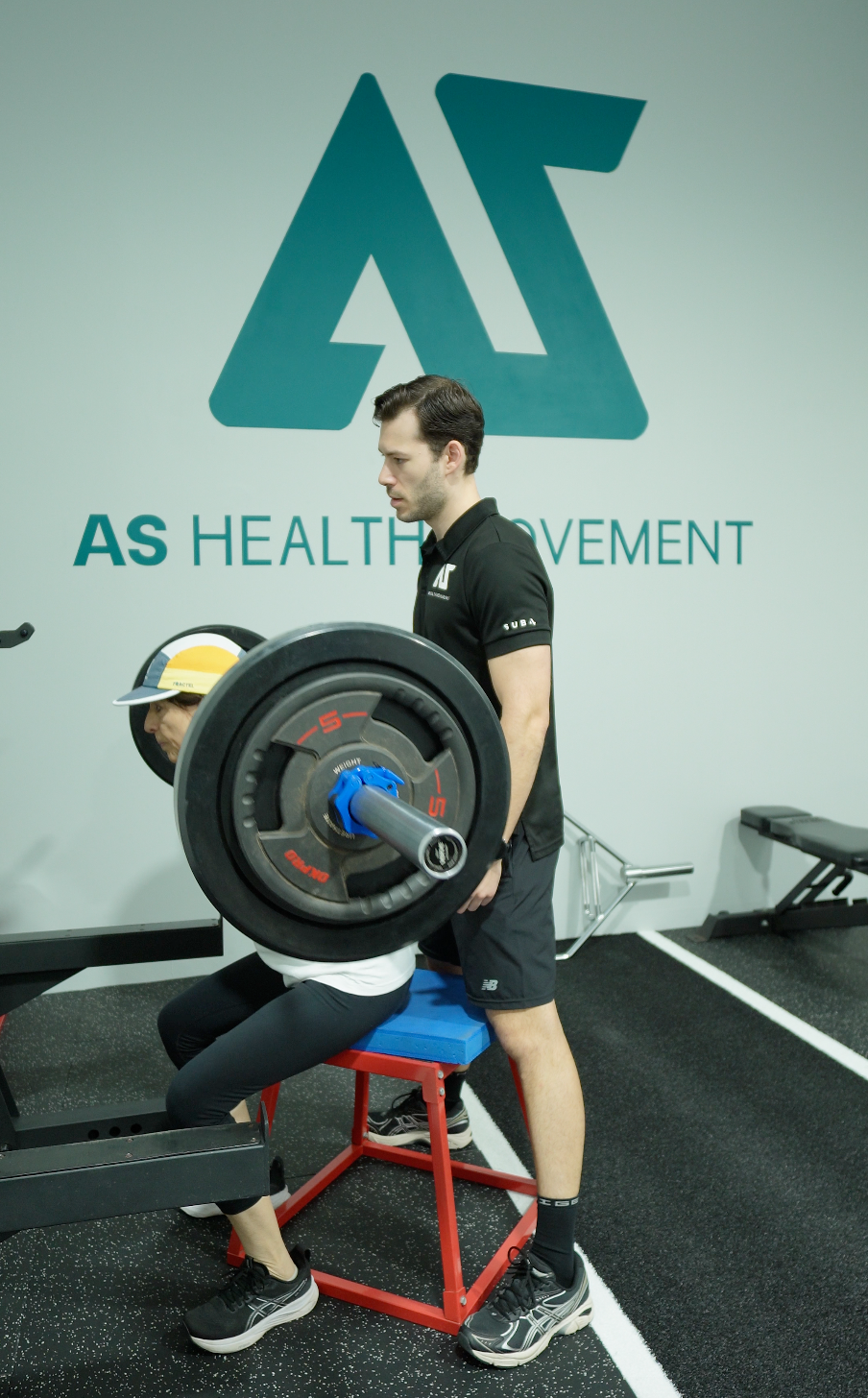
At AS Health Movement, this is where our Exercise Physiologist and Physiotherapist work together — one assessing the mechanics driving your pain, the other building a progressive exercise plan to address it.
- You haven’t identified the actual cause
Not all back pain is the same.
If you’ve just been managing symptoms without ever getting a proper assessment of what’s driving the pain, you’re likely to stay stuck. A thorough physiotherapy assessment can identify the mechanical cause and map out a targeted treatment plan.
- Your core isn’t supporting your spine the way it should
“Strengthen your core” has become a bit of a cliché — but the principle behind it is sound. The deep stabilising muscles of the spine are often inhibited or underdeveloped in people with chronic back pain. When these muscles aren’t doing their job, other structures — take on load they’re not designed to handle.
The good news is that these muscles respond very well to targeted exercise. But you need to train the right muscles, with the right technique, at the right load — which is exactly what a clinical exercise program through our practice is designed to do.
- You’re not addressing the lifestyle factors
Sitting for long hours, poor sleep, high stress, and excess body weight are all independently associated with worsening back pain. These aren’t character flaws — they’re modern life — but they do need to be part of the conversation.
Exercise Physiology can help you move better at work and at home, and our team can give you practical strategies for managing the everyday factors that are keeping you in pain.
- You’ve been treating the symptom, not the person
Fear-avoidance (avoiding movement because you’re scared it will make things worse), catastrophising, and low confidence in your body’s ability to heal are all well-documented drivers of chronic pain persistence.
A good allied health team takes all of this seriously. We don’t just treat your spine — we help you rebuild your confidence in your body and your understanding of what’s happening, because that is genuinely part of the recovery process.
What should I do next?
If you’re in Gladesville, Ryde, Hunters Hill, or the surrounding area and you’ve been struggling with back pain that won’t resolve, we’d love to help. Our Physiotherapist and Exercise Physiologist can work with you together to get to the bottom of what’s going on and build a plan that actually addresses it.
Book an initial assessment at AS Health Movement — and let’s get you moving again.

Be The First To Comment